Whether you’re a first-time car owner or looking to reassess your current policy, understanding the structure and function of auto insurance is essential. This blog breaks down the definition of auto insurance, explains how policies operate, outlines the various types of coverage available, and examines the key factors that influence premium costs. By the end, you’ll have a clear framework to evaluate your coverage needs and make informed decisions that protect both your vehicle and your wallet.
Key Takeaways
- Auto insurance is a contract that provides financial protection against vehicle-related losses, with liability coverage being mandatory in most states.
- Understanding different types of coverage, such as liability, collision, and comprehensive, is essential for adequate protection and compliance with state laws.
- Various factors, including driving history and vehicle type, influence insurance premiums, with strategies available to potentially lower costs, such as raising deductibles or completing defensive driving courses.
What is Auto Insurance?

Auto insurance is essentially a contract between you and an insurer, designed to offer financial protection against losses resulting from accidents or theft. Paying a premium establishes an agreement with the insurance company to cover specific types of losses outlined in your auto policy, including personal auto insurance and auto policies. This financial protection is crucial, as it helps mitigate the costs associated with vehicle damage, medical expenses, car insurance, and legal liabilities.
Most states mandate that car owners carry basic auto insurance, which usually includes liability coverage for physical injuries and property damage caused by the insured, in accordance with state law. This means that if you are responsible for a car accident that affects another person’s property, your personal auto policy will cover the costs of any injuries or damages to other parties. Getting car insurance without a car is possible through a non-owner policy. This type of coverage is designed for individuals who frequently rent or borrow vehicles, offering liability protection without requiring ownership of a vehicle.
However, basic auto insurance may not cover damage to your own vehicle unless you purchase additional coverage options like collision or comprehensive insurance.
How Auto Insurance Works
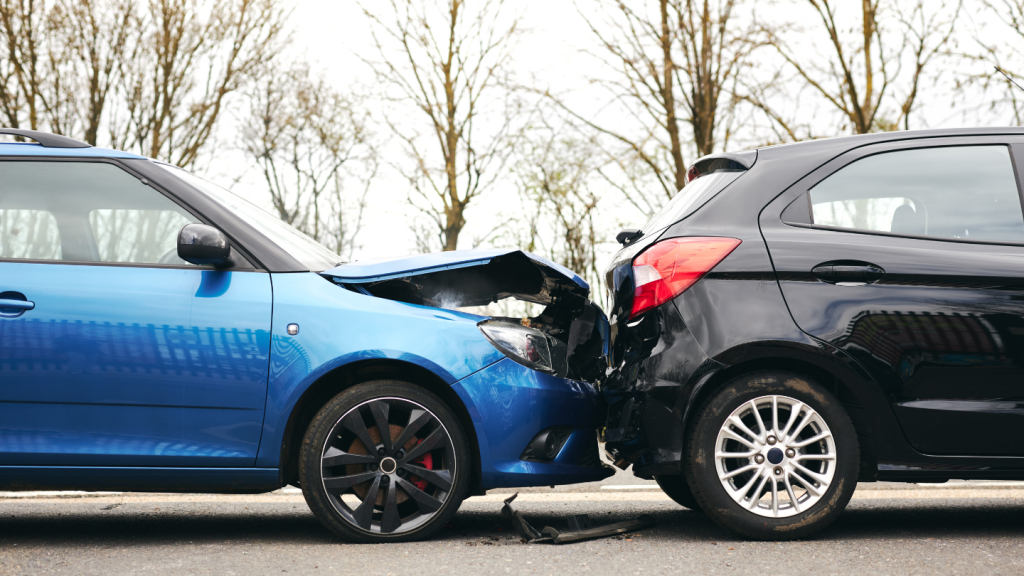
Auto insurance works by pooling risk among policyholders. Each policyholder pays a premium, which is determined based on various factors, including driving experience, past accidents, traffic violations, driving history, and the type of vehicle. Insurers group drivers into risk categories to set these premiums, aiming to cover the costs of potential claims while remaining profitable. Understanding your policy details is crucial to avoid assumptions about coverage, as gaps can result in higher rates and unexpected out-of-pocket costs.
When an accident occurs, the process typically involves:
- Policyholders filing a claim with their insurance company, detailing the incident and any damages incurred.
- Depending on the type of coverage you have, the insurer reimburses you for the costs associated with the accident.
- You pay your deductible before receiving reimbursement.
For example, collision coverage pays for repairs to your vehicle if you’re involved in an accident, while comprehensive coverage pays for damage caused by non-collision events like theft or natural disasters. Knowing how these coverages work helps you make informed decisions about your auto insurance needs.
Exclusions in insurance for vehicles refer to specific situations or damages that an auto policy won’t cover. These often include intentional damage, mechanical breakdowns, and using the vehicle for unauthorized commercial purposes, all of which can lead to denied claims if not clearly understood.
Types of Auto Insurance Coverage

To build the right policy, you need to understand the primary types of car insurance coverage, including liability, collision, comprehensive, and more, each offering unique benefits.
Each of these coverages plays a unique role in providing financial protection, whether it’s covering medical expenses, repair costs, insurance coverages, and other coverages and legal liabilities.
Being aware of both mandatory and optional coverages ensures you have adequate protection and comply with state laws. While some coverages like liability are required by law, others like collision and comprehensive are optional but highly recommended for comprehensive financial security.
In the following sections, we will delve deeper into each type of coverage to help you make informed decisions about your auto insurance policy.
Liability Coverage
Liability coverage is a cornerstone of any auto insurance policy and is mandatory in most states. It consists of two main components: bodily injury liability and property damage liability. Bodily injury liability insurance covers the costs associated with injuries you may cause to other people in an accident, including medical expenses, lost wages, and legal fees. Property damage liability, on the other hand, covers the costs of damages you cause to someone else’s property, such as their vehicle or personal belongings.
Having enough liability insurance is crucial because it protects you from significant financial loss in the event of an accident. Without adequate coverage, you could be personally responsible for paying these expenses out of pocket, which covers losses that can be financially crippling.
Therefore, ensuring you have sufficient liability coverage is not just about legal compliance but also about safeguarding your financial well-being.
Collision Coverage
Collision coverage is designed to cover the repair or replacement costs of your car in the event of an accident, regardless of who is at fault. This type of car insurance coverage is typically optional, but it may be required by your lender or leaseholder if your vehicle is financed or leased. Collision coverage pays for damage resulting from collisions with other vehicles or falling objects, such as guardrails or trees.
One important aspect of collision coverage is the deductible, which is the amount you pay out of pocket before your insurance kicks in. Choosing a higher deductible can lower your premium, but it also means you’ll pay more upfront if an accident occurs. If you’ve ever wondered how your car insurance premium is calculated, this guide walks through the key factors, from driving history to deductible choices, that affect how much you pay.
Comprehensive Coverage
Comprehensive coverage offers protection against a variety of non-collision-related damages, such as theft, vandalism, fire, and natural disasters. This type of coverage is optional but highly recommended for those seeking extensive protection for their vehicle. Comprehensive coverage pays for damages that are not the result of a collision, making it a valuable addition to your physical damage coverage insurance policy.
Similar to collision coverage, comprehensive coverage usually involves a deductible that must be paid before the insurance benefits kick in. The deductible amount can vary, and selecting a higher deductible can lower your premium. However, it’s important to choose a deductible that you can comfortably afford in the event of a claim.
Full coverage car insurance typically combines liability, collision, and comprehensive protection to offer well-rounded financial security. It’s not a single policy type, but rather a bundled approach that helps cover damage to your own vehicle as well as costs related to other drivers or external events.
Medical Payments Coverage
Medical payments coverage, also known as MedPay, helps cover medical expenses resulting from an auto accident, no matter who is at fault. This optional coverage can pay for costs such as hospital visits, surgeries, X-rays, ambulance services, and other accident-related medical care for you, your passengers, and even household members driving the insured vehicle.
MedPay acts as an immediate layer of protection, offering quick reimbursement and supplementing your primary health insurance by covering deductibles and copayments. Handling these upfront expenses prevents unexpected medical bills from creating financial pressure after an accident.
Including medical payments coverage in your auto policy provides added security and ensures that accident-related medical costs are addressed promptly and efficiently.
Uninsured and Underinsured Motorist Coverage
Uninsured motorist coverage and underinsured motorist coverage are essential for protecting yourself against drivers who do not have adequate insurance. This coverage provides reimbursement for medical expenses and property damage if you are involved in an accident with an uninsured or underinsured driver. Given the prevalence of uninsured drivers, having this coverage ensures that you are not left financially vulnerable in such scenarios.
In some states, uninsured and underinsured motorist coverage is mandatory, while in others, it remains optional. Regardless of its mandatory status, this coverage is highly recommended as it adds an extra layer of financial protection, ensuring you are covered even when the other party is not.
Optional Coverages to Consider
In addition to the standard coverages, there are several other optional coverages that you can add to your auto insurance policy to enhance your protection. These optional coverages include:
- Gap insurance
- Rental reimbursement coverage
- Roadside assistance coverage
Each of these coverages serves a unique purpose and can provide valuable benefits depending on your individual circumstances.
Assessing your needs and budget before purchasing optional coverages is essential. Since these can increase your premiums, determine which options best suit your situation. Consulting with your insurance agent can help you make informed decisions and ensure you have the right level of protection.
Gap Insurance
Gap insurance is particularly important for those who have financed or leased their vehicles. This coverage pays the difference between the car’s actual cash value and the remaining loan amount if your vehicle is totaled or stolen. Since vehicles depreciate rapidly, gap insurance can prevent significant financial loss.
It ensures that you are not left paying out of pocket for a vehicle that is no longer usable. Understanding the grace period in car insurance is essential to avoid a lapse in coverage.
Rental Reimbursement Coverage
Rental reimbursement coverage is designed to cover the cost of a rental car while your vehicle is being repaired after an accident. This coverage typically has limits on the daily reimbursement amount and the total number of days covered.
This coverage offers the convenience of a temporary vehicle without the full cost, minimizing disruptions to your daily routine.
Roadside Assistance Coverage
Roadside assistance coverage offers peace of mind by providing help when your vehicle breaks down or has a minor issue while on the road. This coverage includes services like:
- Towing
- Battery jump-starting
- Flat tire changes
- Fuel delivery
Typically, the insurer reimburses the driver for the costs of these services after a claim is processed.
Roadside assistance ensures you are never stranded without help, regardless of your location.
Factors Influencing Insurance Costs
Before buying car insurance in Decatur, it’s important to weigh factors like coverage needs, local driving risks, and policy discounts.
Several factors influence auto insurance premiums, so it’s important to understand what affects your rates:
- A clean driving record is crucial, as violations and accidents can increase premiums.
- Your credit score plays a role, as insurers often use it to predict the likelihood of filing claims.
- The type of vehicle you drive can impact your rates, with factors like repair costs and safety ratings contributing to the premium.
Other factors include:
- Your location: Urban areas generally have higher premiums due to increased risks of theft and accidents.
- Your age: Younger drivers, particularly those under 25, often face higher rates due to a higher incidence of accidents.
- How often you use your car: The more you drive, the higher your premiums may be, as increased usage raises the risk of accidents.
Tips for Lowering Your Premiums
You can lower your auto insurance premiums through a few strategic steps:
- Evaluate optional coverages and adjust deductibles, which can significantly impact your premium.
- Raise your deductible to lower premiums by 20 to 25 percent, potentially saving hundreds annually.
- Complete a defensive driving course, as many insurers offer discounts for such courses.
Reporting lower annual mileage, particularly under 10,000 miles a year, can qualify you for additional savings. Bundling your auto insurance with other policies, such as homeowners insurance, can offer companies discounts of up to 30 percent. These strategies help reduce premiums and ensure adequate coverage. Learn how a no-claim bonus for car insurance can lead to lower premiums over time.
Why Use a Local Insurance Agent in Atlanta
Using a local insurance agent in Atlanta offers several advantages:
- Understanding state-specific regulations and regional risks.
- Possessing in-depth knowledge of Georgia’s unique insurance requirements, providing valuable guidance tailored to your needs.
- Offering personalized service to ensure your coverage is specifically designed to protect your lifestyle effectively.
Building a long-term relationship with a local agent offers several benefits:
- Fosters trust and reliability, ensuring ongoing support.
- Allows for adjustments to your coverage as your needs change.
- Simplifies the claims process by providing continuous support.
- Personal agents negotiate settlements on your behalf.
Consulting a local agent can help find better coverage options and save you money.
Final Thoughts
Auto insurance plays a vital role in protecting drivers from unexpected financial burdens. This blog explored the fundamentals of how auto insurance works, the types of coverage available, from liability to comprehensive, and the key factors that influence premium costs. By understanding both required and optional coverages, vehicle owners can build a policy that aligns with their risk exposure, budget, and legal obligations.
For those seeking auto insurance in Decatur, GA, working with a trusted local expert can make all the difference. Focus Insurance Group provides personalized service and expert guidance to help you select the right coverage, avoid gaps, and maximize value. Their commitment to tailored solutions ensures that your policy meets your needs today and adapts as they evolve.
Frequently Asked Questions
What is auto insurance, and why is it important?
Auto insurance is a contract that offers financial protection against losses due to accidents or theft, and it is crucial as it covers vehicle damage, medical expenses, and legal liabilities, thereby preventing significant financial burdens in the event of an accident.
What are the main types of auto insurance coverage?
The main types of auto insurance coverage are liability coverage, collision coverage, comprehensive coverage, medical payments coverage, and uninsured/underinsured motorist coverage. Each type serves a specific purpose in protecting you from various risks associated with vehicle ownership.
How can I lower my auto insurance premiums?
To effectively lower your auto insurance premiums, consider increasing your deductible, completing a defensive driving course, reporting reduced annual mileage, and bundling your auto insurance with other policies, such as homeowners’ insurance. Each of these strategies can lead to significant savings while ensuring you remain adequately covered.
Why should I use a local insurance agent in Atlanta?
Utilizing a local insurance agent in Atlanta ensures personalized service and tailored coverage that is attuned to state-specific regulations and regional risks. Their expertise simplifies the claims process and provides ongoing support for your insurance needs.