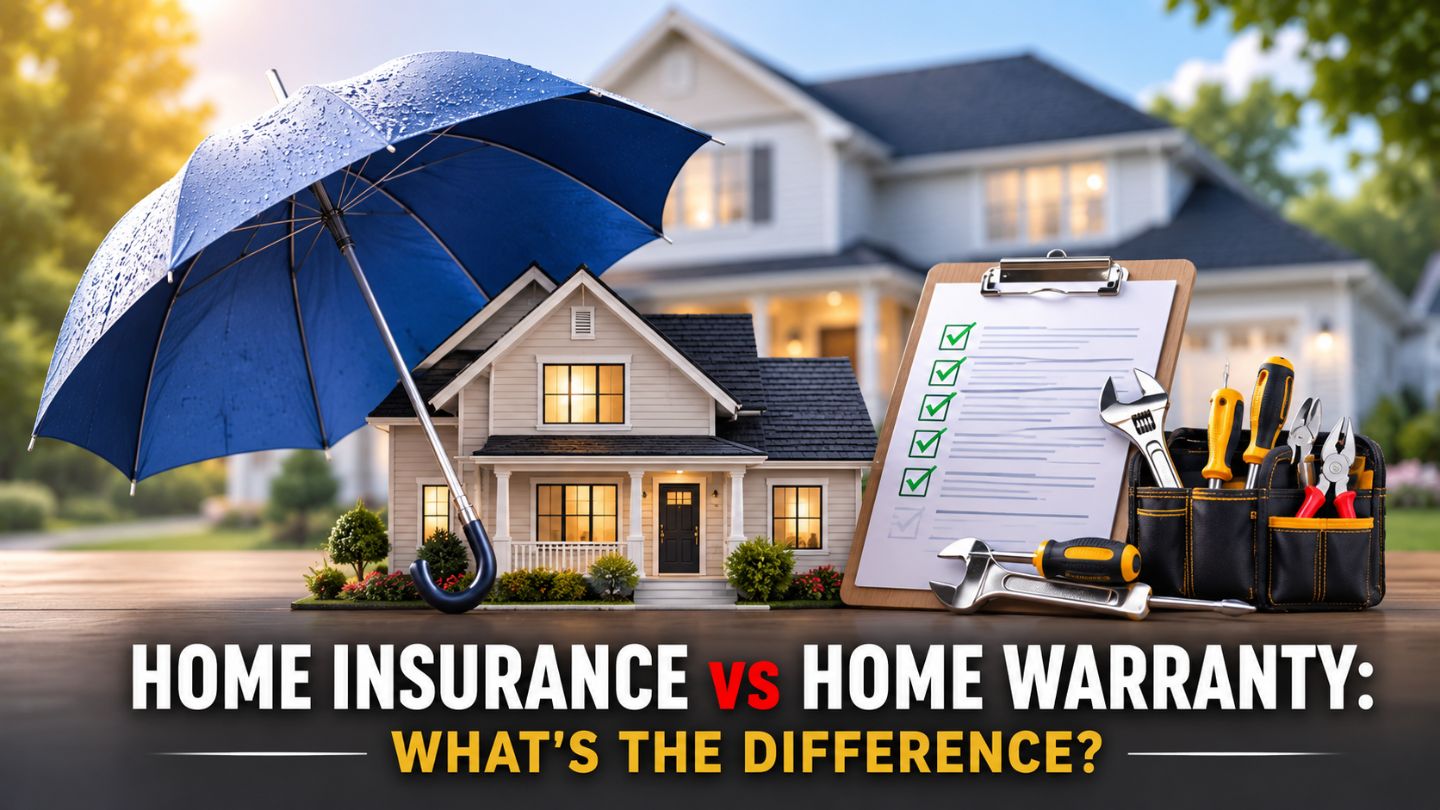
As a landlord, safeguarding your rental property is a top priority, not just to protect your physical asset but to secure the financial stability it brings. Whether you’re managing a single-family home, a multi-unit building, or several properties across different locations, landlord insurance is a critical component of risk management. This blog on landlord insurance will explain what this specialized coverage includes, why it’s essential for rental property owners, and how it can shield you from unexpected financial losses.
Key Takeaways
- Landlord insurance is essential for property protection, covering risks such as property damage, loss of rental income, and tenant liabilities that homeowners’ insurance does not address.
- There are three main types of landlord insurance policies (DP-1, DP-2, and DP-3), each providing different levels of coverage and costs, with DP-3 offering the most comprehensive protection.
- Various factors influence landlord insurance premiums, including property location, type of tenants, and coverage levels; proactive property management and safety upgrades can help reduce costs.
Understanding Landlord Insurance

Landlord insurance, also known as rental property insurance, is designed to protect rental property owners from the costs associated with losses to their properties. Unlike homeowners insurance, which covers owner-occupied homes, a landlord insurance policy provides financial protection against property damage and liabilities related to tenant activities. This includes coverage for property damage caused by fire, storm, or other perils, as well as liability coverage for tenant injuries. If you manage rental properties, you need landlord insurance to ensure comprehensive protection. Homeowner and landlord insurance is essential for those managing rental properties. Understanding whether a landlord’s insurance covers tenant damage is crucial for property owners dealing with tenant-caused losses. Knowing what your policy includes can prevent costly surprises during a claim.
Even if you rent to family members, landlord insurance remains essential. Core coverage typically includes protection for property damage, personal property damage, loss of rental income when the property is uninhabitable, and liability for tenant injuries. However, it does not cover tenants’ personal belongings, so renters’ insurance is recommended for tenants to protect their possessions.
Read More: How Much Renters Insurance Should a Landlord Require? Find Out Here
Key Differences Between Homeowners and Landlord Insurance
Homeowners insurance is for owner-occupied homes and doesn’t cover rental properties. Renting out your property requires landlord insurance, tailored for rental-specific risks. This specialized coverage protects against tenant-related damages and liabilities, making it essential for property management. A homeowner’s insurance policy is crucial for safeguarding your primary residence.
A key difference is cost: landlord insurance typically costs about 25% more than homeowners insurance due to higher rental risks.
While homeowners’ insurance offers limited rental property coverage, standard landlord policies provide comprehensive protection, including rental income compensation if the property becomes uninhabitable. Knowing these differences helps in choosing the right insurance.
Types of Landlord Insurance Policies
Landlord insurance policies are categorized into three main types: DP-1, DP-2, and DP-3. Most landlord insurance policies refer to varying levels of coverage available for landlords, with each type offering different protections.
DP-1 is the most basic policy type, characterized by:
- Coverage of only specific named perils, such as fire and vandalism, which are considered covered perils.
- Claims are typically settled on an actual cash value basis, which may be lower than the replacement cost.
- Usually less expensive due to its limited coverage options.
DP-2 policies offer a broader range of coverage compared to DP-1, including:
- Additional perils such as burglary and malicious mischief, including a break-in
- Typically paying out losses based on the replacement cost value, making them more attractive to landlords
- Some policies may include loss of income coverage, providing compensation if your rental property becomes uninhabitable
DP-3 is the most comprehensive landlord insurance, offering open peril coverage, meaning all risks are covered except those specifically excluded. DP-3 policies typically include personal liability coverage for injuries on the property, making it popular among landlords. As coverage expands from DP-1 to DP-3, costs increase, but so does protection.
What Does Landlord Insurance Cover?

Landlord insurance provides a range of coverages designed to protect rental property owners from various risks. The basic coverage includes protection for property damage caused by perils such as fire, storm, and vandalism. Additionally, liability insurance is generally included in landlord insurance policies, including a standard landlord insurance policy, to cover legal fees and medical costs related to tenant injuries. This ensures that landlords are protected from the financial burdens associated with accidents and injuries on their properties.
Beyond the basic coverage, landlord insurance also typically includes loss of rental income coverage. This compensates landlords for lost rental income if their property becomes uninhabitable due to a covered loss from damage. Additionally, landlord insurance coverage can provide further financial protection for landlords. Landlord insurance covers various aspects of property management.
Many policies also cover structures outside the main home, like sheds and detached garages, and medical expenses for injuries on the property. Getting familiar with the essentials of landlord insurance coverage helps property owners avoid gaps in protection and make more informed choices about liability, property damage, and income loss coverage.
Additional Coverage Options
Landlord insurance can include various additional coverages to enhance protection for rental properties. Common optional coverages include:
- Flood insurance, which is crucial for properties in flood-prone areas
- Vandalism coverage, which protects against deliberate damage caused by tenants or others
- Burglary protection, providing coverage for losses due to theft
For landlords with unique property needs, specific enhancements such as short-term rental coverage or building code coverage can be vital. Personal umbrella insurance is also recommended for landlords with multiple personal properties, offering additional liability protection and property protection beyond the standard policy limits.
Optional coverage allows landlords to tailor insurance coverage policies to meet specific requirements, ensuring comprehensive protection.
Read More: Does Renters Insurance Cover Car Theft?
How Much Does Landlord Insurance Cost?
The cost of landlord insurance is generally higher than that of homeowners’ insurance due to the increased risk associated with rental properties. Several factors influence the landlord insurance premium, including:
- The property’s location: Properties in areas prone to natural disasters, such as hurricanes or earthquakes, typically incur higher premiums.
- The property’s value: More valuable properties cost more to insure.
- The level of coverage selected.
Other cost factors include tenant type, property condition and age, and the selected deductible. Higher-risk tenants, like short-term renters, may raise premiums. Owning multiple rental properties can also increase overall risk and insurance costs.
While higher deductibles can lower monthly premium payments, they also increase the out-of-pocket costs landlords must pay when making a claim.
Factors That Influence Your Premium
Several factors influence landlord insurance premiums, with property rebuilding or replacement cost and depreciated rebuild value being significant. In Decatur, GA, factors include:
- Credit score
- General stability
- Property ownership
- Insurance history: A history of many claims can lead to higher premiums due to perceived risk.
Opting for a higher deductible can reduce monthly premiums but will increase out-of-pocket expenses for claims.
The Importance of Liability Insurance for Landlords

Liability insurance is a crucial component of landlord insurance policies, covering legal fees and medical costs related to tenant injuries. This coverage is essential for landlords to manage the risks associated with tenant injuries on their properties, such as slips and falls. In cases where tenant injuries result from a landlord’s negligence, such as failing to maintain the property, legal defense costs can be significant, and hiring a personal injury lawyer may be necessary.
For landlords with significant assets or multiple rental properties, additional liability coverage is recommended. The standard $1 million liability coverage may not be sufficient, so combining landlord insurance with additional liability protection can offer enhanced security.
Requiring tenants to obtain renters’ insurance can further mitigate risks and protect landlords from claims arising from tenant negligence.
Read More: What is Proof of Renters Insurance and How to Show It
Steps to Buying Landlord Insurance
Start the process of buying landlord insurance by:
- Determining the suitable type for your rental situation.
- Researching local agents or online options for the best coverage.
- Gathering essential property information, including age, condition, and safety features, to discuss with your insurance agent.
Additionally, you may want to buy landlord insurance to ensure comprehensive protection.
After contacting an agent, follow these steps:
- The agent will obtain quotes from various insurance carriers based on your requirements.
- Carefully review the quotes.
- Select the insurance carrier that best meets your needs at a competitive price from the insurance company.
This step-by-step approach ensures suitable coverage for your rental properties.
Benefits of Bundling Insurance Policies
Bundling landlord insurance with other policies like homeowners or auto insurance can lead to:
- Significant premium discounts, often saving between 15% to 23%
- Simplified management of multiple insurance policies
- Improved overall client satisfaction, potentially affecting the entire landlord insurance premium.
Tailored insurance bundles address unique client needs while providing comprehensive coverage. Bundling policies ensures all your insurance needs are met under one roof, making it easier to manage and potentially enhancing overall asset protection.
Read More: Should I Bundle My Auto Insurance With My Home Insurance?
Tax Implications and Deductions
A financial benefit of landlord insurance is that premiums are deductible expenses, reducing taxable rental income. Properly documenting insurance payments can significantly offset rental income taxes, providing financial relief, particularly at tax time.
Utilizing deductions for various expenses, including insurance costs, is a key tax-saving strategy for landlords. Ensure all relevant expenses are documented and claimed effectively to maximize tax deductions. This proactive approach can result in substantial savings, making landlord insurance a financially smart investment.
Tips for Reducing Landlord Insurance Costs
Reducing landlord insurance costs can be achieved through practical measures. Installing hardwired smoke detectors and alarms can lead to premium reductions due to increased safety. Upgrading to impact-resistant roofing can minimize storm damage risks and may save between 10% to 20% on insurance costs. These safety upgrades protect your property and show insurance companies you are proactive in minimizing risks, potentially qualifying for premium savings.
Proper property management is another effective way to reduce insurance costs. Maintaining the landscape, clearing hazards, and ensuring the property is in good condition can reduce the likelihood of claims, resulting in lower premiums. Using an independent insurance agent can provide access to various coverage options and help find the best policy for your needs. Independent agents have the expertise to compare policies, find discounts, and adjust coverage levels based on individual needs, ultimately saving you money.
Another strategy to lower your insurance premium is to increase your deductible. While this means paying more out-of-pocket in the event of a claim, it can significantly reduce monthly premiums. This approach is particularly useful for landlords with multiple properties, as the savings on premiums can add up over time.
By implementing these tips, you can effectively manage and reduce landlord insurance costs without compromising coverage.
When to Consult a Lawyer
Certain situations may require landlords to hire a property manager to navigate complex legal issues. Typical scenarios include significant disputes over lease agreements or eviction processes. Experiencing late rent payments or lacking proper documentation for expenses can be signs of property management issues that warrant consulting a lawyer.
In cases of tenant disputes regarding property damage or other legal matters, having a lawyer can help protect your interests as a property owner and ensure compliance with legal requirements. Knowing when to seek legal advice can save time and money and help you manage rental properties more effectively.
Final Thoughts
Landlord insurance plays a critical role in protecting rental property owners from unexpected financial burdens. This coverage offers a safety net against property damage, tenant-related liabilities, and loss of rental income, issues that standard homeowners insurance does not cover. From understanding the key differences between policy types to exploring additional coverage options and identifying premium-saving strategies, this guide outlines everything landlords need to navigate insurance decisions confidently.
For those seeking landlord insurance in Decatur, GA, partnering with a knowledgeable, independent agency like Focus Insurance Group can make all the difference. Their team simplifies the process of comparing policies, securing tailored coverage, and negotiating competitive rates, all while ensuring your rental investments are fully protected. Trust us to deliver clarity, coverage, and cost-efficiency at every step.
Frequently Asked Questions
What should clients inquire about when purchasing a policy from an insurance agent?
Clients should inquire about the deductible, premium amount, coverage specifics, additional coverage needs, and any available discounts when purchasing a policy from an insurance agent. This will ensure they fully understand their options and make an informed decision.
Is it mandatory to use a local insurance agent in Atlanta?
It is not mandatory to use a local insurance agent in Atlanta; however, their expertise in state-specific regulations and regional risks can be advantageous.
What types of insurance does the independent agency in Atlanta and Decatur, GA, offer?
The independent agency in Atlanta and Decatur, GA, offers personal, business, and auto insurance. This range of coverage ensures that various insurance needs are met effectively.
How have the determination of insurance rates and premiums changed in Decatur, GA?
The determination of insurance rates and premiums in Decatur, GA, has evolved to include considerations such as credit score, property ownership, and prior insurance history, alongside traditional metrics. This shift reflects a more comprehensive approach to assessing risk.