Full coverage insurance in Georgia consists of liability, collision, and comprehensive coverages. This combination provides protection against damages to others and your vehicle from accidents, theft, and non-collision incidents. Understanding what full coverage insurance is in Georgia is crucial for making informed auto insurance decisions.
Key Takeaways
- Full coverage car insurance in Georgia typically includes liability, collision, and comprehensive coverage to protect against various risks and damages.
- Liability insurance is mandatory and crucial for financial protection in accidents, while uninsured/underinsured motorist coverage is essential due to the high number of uninsured drivers in the state.
- Factors such as driving record, vehicle type, and credit score significantly influence car insurance premiums, and comparing quotes or bundling policies can help in finding affordable coverage.
What Constitutes Full Coverage Insurance?
The term “full coverage insurance” might suggest complete protection, but its actual scope is more defined. In Georgia, full coverage generally includes a mix of liability, collision, and comprehensive policies. This combination aims to shield you from liabilities arising from damage to others and your own vehicle due to accidents, theft, or non-collision events like natural disasters.
However, it’s crucial not to be misled by the phrase “full coverage.” While it offers extensive protection, it doesn’t cover everything. It provides essential coverage areas but may exclude certain incidents, such as damages from specific natural disasters, or additional options like rental reimbursement. Understanding what your “full coverage” includes can help you avoid unexpected out-of-pocket expenses when filing claims.
Liability Insurance Requirements
In Georgia, every driver must carry liability insurance, which is crucial for financial protection in the event of an accident. Liability insurance covers expenses related to injuries or property damage caused by an accident you are responsible for. There are two main types of liability coverage: bodily injury liability, which pays for medical bills and lost income due to injury, and property damage liability, which covers repairs to the other person’s vehicle or property.
Liability coverage is an essential part of full coverage auto insurance, offering financial protection against the potentially high costs of an accident. Having the required levels of liability insurance can help safeguard you from significant out-of-pocket costs in the event of a collision.
Collision Coverage Explained
Collision coverage helps cover the cost of repairing or replacing your vehicle if it’s damaged in an accident, regardless of fault. This includes collisions with other vehicles, objects like fences or poles, and other similar incidents.
While not mandatory in Georgia, lenders often require collision coverage for financed or leased vehicles. Adding it to your policy ensures financial protection and minimizes out-of-pocket expenses for repairs, providing peace of mind in case of unexpected accidents.
Comprehensive Coverage Overview
Comprehensive coverage protects your car against damage from events not related to a collision. These can include theft, vandalism, and natural disasters like hail or floods. It’s an essential part of full coverage insurance, as it helps protect you from unexpected costs that can arise from a range of incidents beyond accidents.
Example: If a tree falls on your car during a storm, comprehensive coverage will help pay for repairs, so you don’t have to cover the costs out of pocket.
While comprehensive coverage offers broad protection, it’s important to understand that not all risks are covered. For instance, it won’t help if your car is damaged in an accident where you are at fault—collision coverage would be needed for that.
Incorporating comprehensive coverage into your insurance policy ensures you have protection against a variety of non-collision risks, giving you peace of mind that your car is covered by a broader range of events.
Read more: Does Car Insurance Go Down After the Car Is Paid Off?
The Role of Uninsured and Underinsured Motorist Coverage
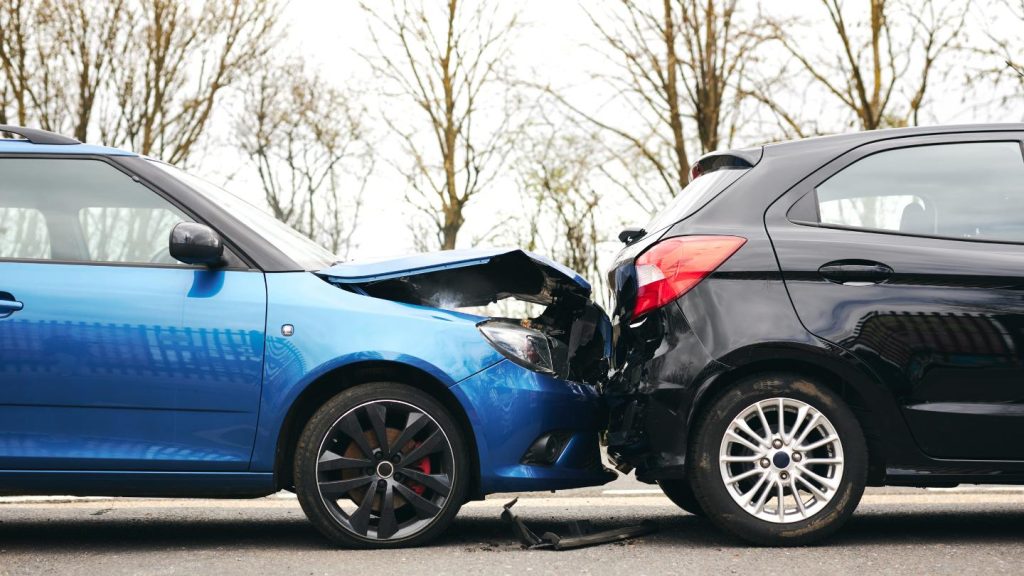
In Georgia, a significant portion of drivers operate without adequate insurance coverage. According to state statistics, approximately 12% of drivers are uninsured, highlighting the importance of adding uninsured and underinsured motorist coverage to your auto insurance policy. This coverage protects you if the driver at fault in an accident does not have sufficient insurance to cover your damages.
Having uninsured motorist coverage can save you from having to pay for repairs, medical bills, or lost wages when the responsible driver cannot. This is especially important in Georgia, where uninsured drivers are a common concern, and can prevent major financial strain after an accident.
Uninsured Motorist Bodily Injury
Auto insurance policies with uninsured motorist, bodily injury coverage, serve as a safeguard, providing you with financial assistance for medical expenses incurred due to injuries sustained from an accident where the at-fault party is an uninsured driver. This type of insurance covers costs such as medical bills, income loss, and other related outlays, ensuring that you are cared for without shouldering the entire economic burden yourself.
This coverage in your auto insurance plan can be critical if an uninsured motorist harms you. It secures your finances against unforeseen medical expenditures resulting from another’s inability to pay due to lack of insurance.
Incorporating uninsured motorist bodily injury protection into your auto insurance policy is particularly prudent if residing in regions prevalent with underinsured drivers. It assures that any physical damages endured will not translate into overwhelming personal expense.
Uninsured Motorist Property Damage
Equally crucial for safeguarding your vehicle is the inclusion of uninsured motorist property damage coverage in your full coverage car insurance. This particular protection aids in shouldering the financial burden if an uninsured driver causes harm to your car, sparing you from costly out-of-pocket repair expenses that could otherwise be financially crippling.
Including this specific coverage into your full coverage, auto insurance delivers substantial economic reassurance by shielding you from onerous costs incurred due to collisions with drivers lacking proper insurance. Hence, integrating uninsured motorist property damage ensures that all potential road perils are comprehensively covered under your policy.
Additional Coverages to Consider

In addition to the core coverages of liability, collision, and comprehensive insurance, there are several optional coverages you may want to consider for added protection. For instance, medical payment coverage can help cover medical expenses for you and your passengers, regardless of who is at fault in the accident. Roadside assistance is another useful add-on that provides help if your car breaks down, including services like towing and tire changes.
These additional coverages can enhance your auto insurance policy and provide greater security on the road, ensuring you’re protected in various situations.
Medical Payments Coverage
Medical payment coverage is an essential supplement to your auto insurance, offering financial support for you and your passengers’ medical expenses following a vehicular accident. This aspect of your insurance remains indifferent to the question of fault. It is designed to cover medical and funeral costs, facilitating access to needed care while alleviating monetary hardships.
While not compulsory in Georgia, having medical payment coverage can yield substantial advantages. It compensates for reasonable healthcare expenditures incurred due to an accident, positioning itself as a vital element within the broader scope of robust auto insurance protection.
Roadside Assistance
Another potentially invaluable optional coverage to consider is roadside assistance. It offers assistance during emergencies with your vehicle, including issues like breakdowns, flat tires, or when you’re locked out of your car. By adding roadside assistance to your insurance policy, you secure access to crucial services such as towing and fuel delivery whenever necessary.
Incorporating roadside assistance into your insurance can shield you from stressful scenarios and unforeseen costs. This minor enhancement to your policy can substantially enhance the quality of your driving experience while also contributing significantly to a sense of security on the road.
Factors Influencing Car Insurance Premiums in Georgia

Understanding what affects your car insurance premium can help you make smart decisions and potentially save money. Here are a few key factors that influence your rates:
Driving Record
Insurance companies look closely at your driving history. If you’ve had accidents or traffic violations, you’re considered a higher risk, and your premiums may go up. On the other hand, if you’ve been accident-free for several years, insurers may reward you with lower rates.
Example: If you’ve had a speeding ticket in the last three years, your insurer might charge you a higher premium because they see you as more likely to be involved in an accident.
Vehicle Type
The make and model of your car also affect your insurance costs. Cars that are expensive to repair or replace (like luxury or sports cars) typically come with higher premiums. Safety features, on the other hand, can lower your rates, as these reduce the likelihood of severe injuries or damage in an accident.
Example: If you drive a Toyota Camry versus a high-performance sports car, your premiums will likely be lower due to the Toyota’s lower repair costs and safer driving record.
Credit Score
In Georgia, your credit score can also impact your insurance rates. A higher credit score suggests to insurers that you’re financially responsible, which can lead to lower premiums.
Example: A person with a credit score above 700 might pay less for insurance compared to someone with a score below 600 because insurers consider them less risky.
How to Find Affordable Full Coverage Car Insurance in Georgia

Securing cost-efficient full coverage car insurance in Georgia might seem daunting, yet it is achievable through strategic measures. Consolidating policies and engaging with regional insurance representatives can lead to enhanced rate options. Implementing these tactics enables the discovery of economical coverage solutions tailored to your requirements.
By employing such techniques, one can adeptly traverse the intricate landscape of the auto insurance industry to locate budget-friendly coverage of auto insurance within Georgia. This deliberate course of action guarantees that you secure optimum financial benefit from your investment in car insurance protection.
Bundling Policies
Combining your auto insurance with additional policies like home insurance can result in considerable cost savings. Insurance providers typically extend impressive discounts when you consolidate various forms of coverage, with potential reductions as high as 27%.
Adopting this approach not only helps you to economize but also streamlines the oversight of all your insurance necessities. Through policy bundling, comprehensive coverage becomes more affordable and accessible.
Working with Local Insurance Agents
Consulting local insurance agents can be incredibly beneficial when looking for affordable full-coverage car insurance. Local agents understand state-specific regulations and market conditions, allowing them to provide tailored advice and insurance options. They can help you navigate the complexities of the insurance market and find the best coverage for your needs.
Local insurance agents provide personalized service and support. They can help you find affordable full-coverage car insurance that meets your specific requirements.
Summary
To fully grasp the intricacies of full coverage car insurance in Georgia, it’s essential to understand its components and their importance. Core elements such as liability, collision, and comprehensive coverage, along with optional add-ons like medical payments and roadside assistance, are vital for comprehensive protection. Additionally, recognizing the significance of uninsured/underinsured motorist coverage is crucial in guarding against the prevalent risk of underinsured drivers in the state.
Focus Insurance Group is dedicated to providing tailored insurance for Atlanta, GA, designed to meet your specific needs. Beyond auto insurance, we also offer home insurance, general contractors insurance, landlord insurance, personal insurance, and many more services to ensure you’re covered in every aspect of your life. By analyzing factors that affect car insurance premiums, such as driving records, vehicle types, and credit histories, we help clarify cost influences and offer strategies for savings. Our approach includes comparing quotes, bundling policies, and working with local agents to find cost-effective auto insurance solutions. For a personalized experience and the best coverage options, contact us today!
Frequently Asked Questions
Do I need full coverage insurance in Georgia?
Full coverage is not required by law, but it can provide valuable protection for your vehicle, especially if you have a loan or lease on your car.
What is the difference between collision and comprehensive coverage?
Collision coverage covers damage from accidents, while comprehensive coverage protects against non-collision events like theft, vandalism, or natural disasters.
How can I lower my car insurance premiums?
To lower your premiums, maintain a clean driving record, improve your credit score, and compare quotes from different providers.
What additional insurance options should I consider?
Consider adding medical payment coverage or roadside assistance to your policy for more comprehensive protection.