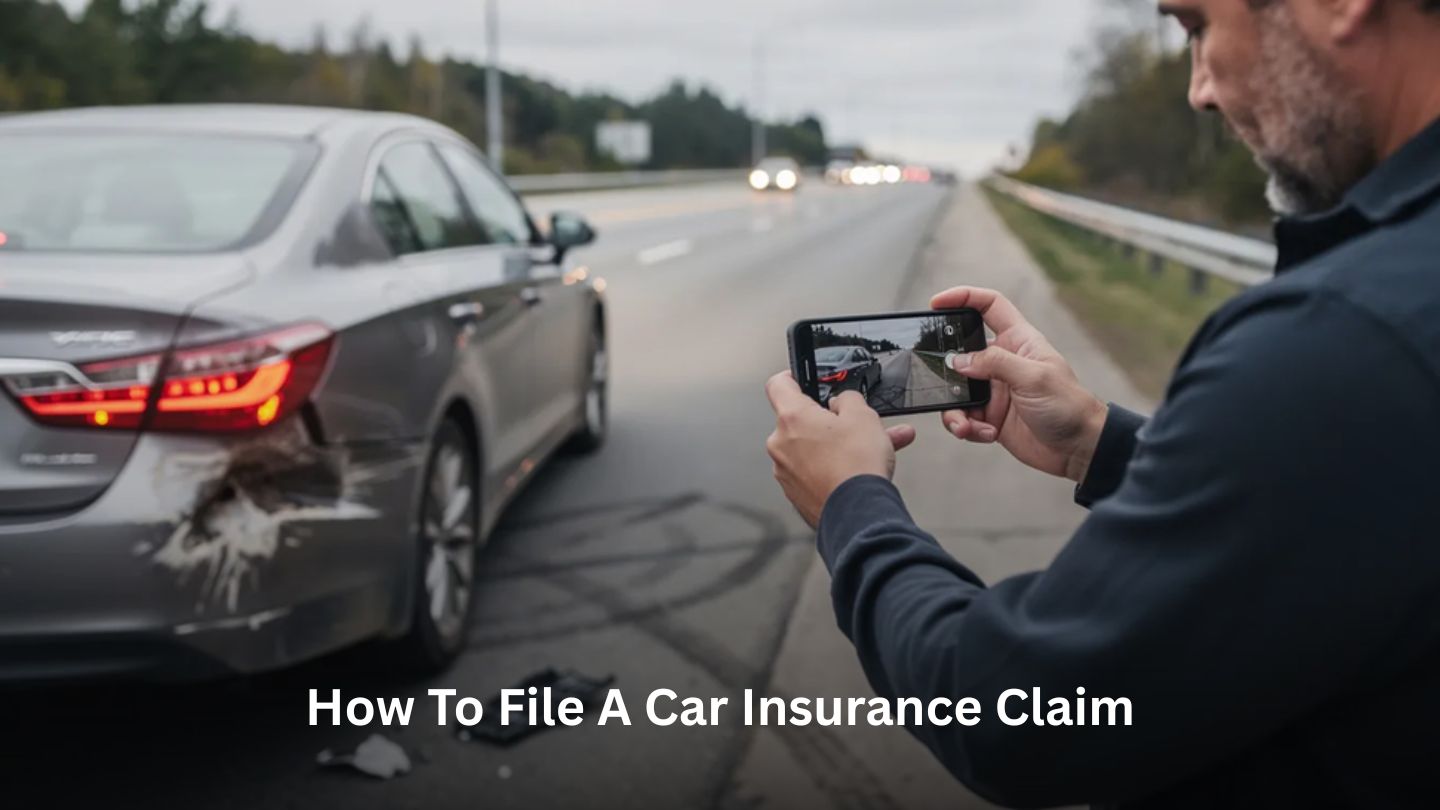
Getting into a car accident can be stressful, but knowing how to file a car insurance claim makes the process much easier to manage. Whether it’s a minor fender bender or a more serious collision, taking the right steps early can help protect your finances and speed up your claim. From documenting the scene to working with your insurance provider, each stage plays a crucial role in ensuring a smooth resolution. In this blog, we will walk you through the entire process, helping you understand what to do, what to expect, and how to handle your claim with confidence from start to finish.
Key Takeaways
- Prioritize safety first, check for injuries, call 911 if needed, then gather photos, contact details, and a police report number at the accident scene.
- Report the incident to your insurance company within 24–72 hours, even if fault remains unclear.
- The claims process typically follows four stages: reporting the loss, working with an adjuster, getting repair estimates, and completing repairs or receiving a settlement.
- Using your insurer’s mobile app or website speeds up filing claims, document uploads, and status tracking.
- Review your coverage limits and deductible before filing a claim to understand potential out-of-pocket costs and premium impact.
Step 1: Stay Safe and Document the Scene Immediately
Safety and basic documentation come before any phone calls to the insurance company. Your first priority is checking that everyone involved is okay.
- When to call 911:
- Anyone who reports injuries or feels pain
- There’s major structural damage to vehicles
- Traffic is blocked
- You suspect impaired driving
For minor incidents without injuries, a non-emergency police line may be appropriate to secure an official accident report.
- Details to record at the scene:
- Date and time of the accident
- Precise location (street names, mile markers, GPS coordinates)
- Weather and road conditions
- The direction each car was traveling
- Photos to capture:
- Wide shots showing the intersection, traffic signals, and stop signs
- Close-ups of all vehicle damage from multiple angles
- Skid marks and debris
- License plates of all vehicles involved
- Any visible injuries
- Information to exchange with the other driver:
- Full name and phone numbers
- Mailing address
- Driver’s license number and badge number if applicable
- Insurer name and policy number
- Vehicle details (year, make, model, VIN if accessible)
Collect contact details from any witnesses. Don’t admit fault at the scene, avoid arguments, and never sign documents from strangers.
Step 2: Decide Whether You Should File a Claim
Not every tiny scrape requires an insurance claim, but ignoring moderate damage or injuries can be financially risky.
- File a claim when:
- There’s visible damage to either vehicle
- Anyone who feels pain, dizziness, or injuries
- Airbags deployed (indicating forces exceeding 10-20 mph impacts)
- Property damage occurred (guardrails, fences, other vehicles)
- It’s a hit-and-run situation
- Consider paying out of pocket when:
- Damage is purely cosmetic and costs less than your deductible
- Both parties fully agree on the circumstances
- No injuries are involved
Be cautious, hidden damage like frame issues or delayed whiplash symptoms appearing 24-72 hours later can turn a minor incident into a major expense. Many insurers require prompt notice of any accident that might lead to a claim, so notify them as soon as possible, even if you haven’t decided to pursue payment. If you’re unsure how different coverage levels affect your decision, understanding what full coverage car insurance is and why you need it can help you make a more informed choice.
Step 3: Contact Your Insurance Company Quickly
Report the incident as soon as reasonably possible, ideally within 24–72 hours. Most policy terms require timely notification.
- Ways to report:
- 24/7 phone number on your insurance card (keep it in your glove compartment)
- Your insurer’s website to file a claim online
- The official mobile app
The claims representative will ask for your policy number, date and time of accident, location, description of what happened, other driver’s insurance company information, police report number, and whether your car is drivable. During this stage, it’s important to stay cautious and aware of risks, including avoiding common car insurance scams that can occur during the claims process.
During this first contact, many insurers will arrange towing (typically $100-$300), help with rental car coverage, or recommend preferred repair shops. Ask about your deductible, what coverage applies (liability, collision, or comprehensive, and any time limit for submitting documentation. Digital tools can accelerate the process significantly. According to industry data, drivers who file digitally report 25% faster claim resolutions compared to traditional methods.
Read More: Does Auto Insurance Cover Rental Cars?
Step 4: Gather and Submit Documentation for Your Claim
Strong documentation speeds up your auto insurance claim and reduces back-and-forth with adjusters.
- Documents to collect:
- Photos and videos from the accident scene
- Police or accident report
- Medical bills and records if anyone received treatment
- Repair estimates from certified shops
- Towing receipts
- Written witness statements
- How to submit:
- Upload photos through the insurer’s app or online portal
- Email documents directly to your assigned adjuster
- Mail copies with tracking if required
Keep an organized file, digital folder, or physical envelope, with copies of everything submitted. Maintain a simple log of dates and times of all phone calls and interactions.
Be honest and consistent in all statements. Insurers compare reports, photos, and police narratives to verify claims. Submitting bills and additional information promptly helps avoid missing deadlines and keeps your claim moving forward.
Step 5: Work With the Insurance Adjuster

An insurance adjuster is the professional assigned by your insurer to investigate the claim, review coverage, and estimate what the company will pay. The claims adjuster may contact you by phone, email, or through the app to ask detailed questions about the accident and covered damage. Before sharing personal details, verify they’re actually connected with your insurance provider.
- How vehicle inspections work:
- In-person visit to your location
- Drive-in claims center appointment
- Photo or video walkaround submitted through the app
The adjuster compares damage and reports against your policy terms, applies your deductible, and presents a settlement or repair plan. If the estimate seems low, you can provide additional photos, request a second repair estimate, or ask to speak with a supervisor.
For totaled vehicles, adjusters calculate actual cash value using factors like mileage, condition, and market data. For example, a 2018 Honda Civic with 80,000 miles valued at $12,000 might be declared a total loss if repair costs reach $9,000.
Step 6: Repair or Settle Your Vehicle Claim
Your auto claim ends in one of two outcomes: repairing the vehicle or declaring it a total loss when repair cost exceeds a high percentage of its value.
- The repair path:
- Choose a repair shop (insurer’s preferred network or independent)
- Schedule the work
- Pay your deductible directly to the shop or have it deducted from your payout
Insurer-network shops often offer direct billing and faster turnaround, but you have permission to choose any licensed facility.
- If your car is totaled:
- The insurer determines actual cash value
- Your deductible is subtracted
- You receive payment for the remaining amount
- If financed, the lender receives their portion first
Rental car coverage typically lasts until repairs are complete or a settlement is issued, usually 14-21 days. Inspect your repaired vehicle before leaving the shop and report any concerns promptly to both the shop and insurer.
Understanding Your Coverage Before You Need to File

The easiest insurance claim is one where you already know what’s covered before any accident happens.
- Key coverages explained:
- Liability coverage: Pays for injuries and damage you cause others
- Collision: Covers damage to your car from crashes, regardless of fault
- Comprehensive: Handles theft, hail, vandalism, falling objects, and animal hits
- Uninsured/Underinsured Motorist: Protects against drivers lacking adequate insurance
- Medical/PIP: Covers medical expenses for you and passengers
Review your declarations page annually to confirm coverage limits, deductibles, and extras like roadside services. Talk with your insurance agent if you’re unsure which circumstances would be covered. It can also be helpful to understand the best classic vs regular car insurance cost coverage comparisons when evaluating different types of policies.
Read More: What Is The No Claim Bonus For Car Insurance And How Does It Work?
Using Your Insurer’s Digital Tools (Apps and Online Portals)
By 2026, most insurers will offer complete digital claim journeys from first notice to final payment.
- What you can do online:
- Start a claim and upload photos instantly
- Check your deductible and coverage
- Schedule inspections
- Track claim status in real-time
- Message your adjuster directly
Photo-based tools can generate quick initial estimates for minor damage. Always use official apps, log out on shared devices, and avoid sending policy details over unsecured public Wi-Fi.
Common Claim Situations and What to Expect
- At-fault crashes: Your liability insurance pays for the other driver’s injuries and property damage. Your collision coverage handles your own vehicle repairs, subject to your deductible.
- Not-at-fault crashes: You can pursue the other driver’s insurance company, or use your own collision coverage for faster repairs and seek reimbursement later through subrogation.
- Hit and run accidents: File a police report immediately. Claims typically run through uninsured motorist or collision coverage, depending on your auto insurance policy and state laws.
- Weather and non-collision damage: Comprehensive coverage applies to natural disasters, hail, flooding, vandalism, and theft. Proof, like weather reports and police documentation for theft, supports these claims.
Some drivers also explore options like whether it is possible to get car insurance without a car, depending on their individual needs and circumstances.
How a Claim Can Affect Your Premium
Many drivers worry about rate increases after filing a claim, and it’s a valid concern. At-fault accidents and frequent claims are most likely to raise premiums, with average increases of 20-40% lasting about two years. Comprehensive-only claims like isolated hail damage or a single windshield repair typically have less impact since you weren’t at fault. Other factors also affect rates: driving record, age, location, and vehicle type. Before filing, ask your insurance agent whether a specific claim might impact your premium. Some policies include “claim forgiveness” features worth checking. To better understand rate changes, it’s useful to know what exactly a car insurance premium is and how factors like your driving history, claim frequency, location, and coverage choices can directly influence the amount you pay over time.
Final Thoughts
Filing a car insurance claim doesn’t have to be complicated when you understand the process and take the right steps early. From documenting the accident scene to working with your insurer and completing repairs, being prepared can save you time, money, and unnecessary stress. Having the right insurance partner by your side ensures that you’re supported at every stage of the claim.
At Focus Insurance Group, we specialize in helping drivers find reliable car insurance in Atlanta and supporting them through every step of the claims process. Beyond auto coverage, we provide a wide range of insurance solutions to protect both your personal and business assets, including business insurance, commercial property insurance, home insurance, and tow truck insurance. Our experienced team is committed to delivering tailored coverage and dependable support when you need it most.
Frequently Asked Question
How long do I have to file a car insurance claim after an accident?
Most insurers require reporting “as soon as possible,” typically within a few days to 30-60 days, depending on your policy. State laws may also set deadlines. Don’t wait; memories fade, and delayed notification can result in denied coverage. Injury claims may have separate legal time limits of 1-3 years, depending on your state.
Do I need a police report to file a car insurance claim?
A police report isn’t always mandatory, but it is extremely helpful for claims involving injuries, major damage, hit-and-run incidents, or suspected impaired driving. Many states require reports for crashes exceeding $500-$1,000 in damage. For theft or vandalism, insurers typically require a police station report.
Can I choose my own repair shop for my car?
Yes, in most states, you’re free to choose any licensed repair shop. Insurer-preferred shops often offer direct billing and may include lifetime warranties, but using an independent facility is your right. Confirm with your insurer how shop choice affects warranties or supplemental payments.