Classic car insurance offers unique benefits that set it apart from regular car insurance. It often costs less while providing specialized coverage tailored to vintage and collectible vehicles. In this blog, we’ll explore why this is the case and break down the key factors that influence these differences. From cost comparisons to coverage details, we’ll help you understand your options and choose the right insurance for your vehicle. Classic car enthusiasts, this one’s for you!
Key Takeaways
- Classic car insurance offers tailored coverage options like agreed value coverage and spare parts coverage, ensuring fair compensation and protection for rare components.
- Rates are influenced by factors such as the car’s value, the driver’s history, and location, with urban drivers often facing different premiums compared to rural drivers.
- This type of insurance is designed specifically for vehicles with limited use, reflecting their unique nature and lower risk profile.
Key Differences: Classic Car Insurance vs. Regular Car Insurance
When insuring your vehicle, the type of insurance you need depends heavily on the nature of your car. Classic car insurance and regular car insurance are designed to meet different needs, reflecting how each type of vehicle is used and valued.
One major difference lies in the coverage terms. Classic car insurance often provides agreed value coverage, meaning the insurer and the owner agree on the car’s value upfront. This ensures that, in the event of a total loss, the payout reflects the car’s full worth. Regular car insurance, on the other hand, typically uses actual cash value, which factors in depreciation over time.
Another distinction is how the policies address vehicle usage. Regular car insurance is designed for vehicles driven daily, covering commuting, errands, and general travel. Classic car insurance, however, is tailored for vehicles that are used sparingly, often only for special events, shows, or occasional leisure drives. This limited use is integral to maintaining the vehicle’s status as a classic.
Lastly, classic car insurance policies often come with specific requirements. Insurers may mandate that the car is stored in a secure garage, driven only under certain conditions, and maintained to a high standard to preserve its value and authenticity. These stipulations are less common with regular car insurance, which is designed for everyday vehicles.
Understanding these key differences can help you choose the right type of insurance for your vehicle, ensuring it’s properly protected and valued.
Why Classic Car Insurance is Often Cheaper
Classic car insurance is often cheaper than a regular car insurance policy for several reasons, primarily due to the unique nature of classic cars and their usage patterns. One of the main factors is the infrequent driving of classic cars. These vehicles are typically driven less often than regular cars, reducing the risk of accidents and claims. Additionally, classic auto insurance can provide specialized coverage that reflects the value of these unique vehicles. Classic vehicle insurance can also offer tailored options for classic car enthusiasts.
Additionally, classic car owners tend to be more cautious drivers, as they are deeply invested in preserving their valuable vehicles. This careful driving behavior further lowers the risk profile of classic cars, contributing to lower insurance premiums. Insurers recognize that these vehicles are not used for daily commuting but rather for special occasions, enthusiast gatherings, and pleasure drives.
Moreover, classic cars are often meticulously maintained, which enhances their reliability and reduces the likelihood of mechanical failures that could lead to claims. Careful maintenance and lower driving frequency make classic cars less risky to insure, resulting in more affordable premiums for classic car insurance policies.
Coverage Options Unique to Classic Car Insurance
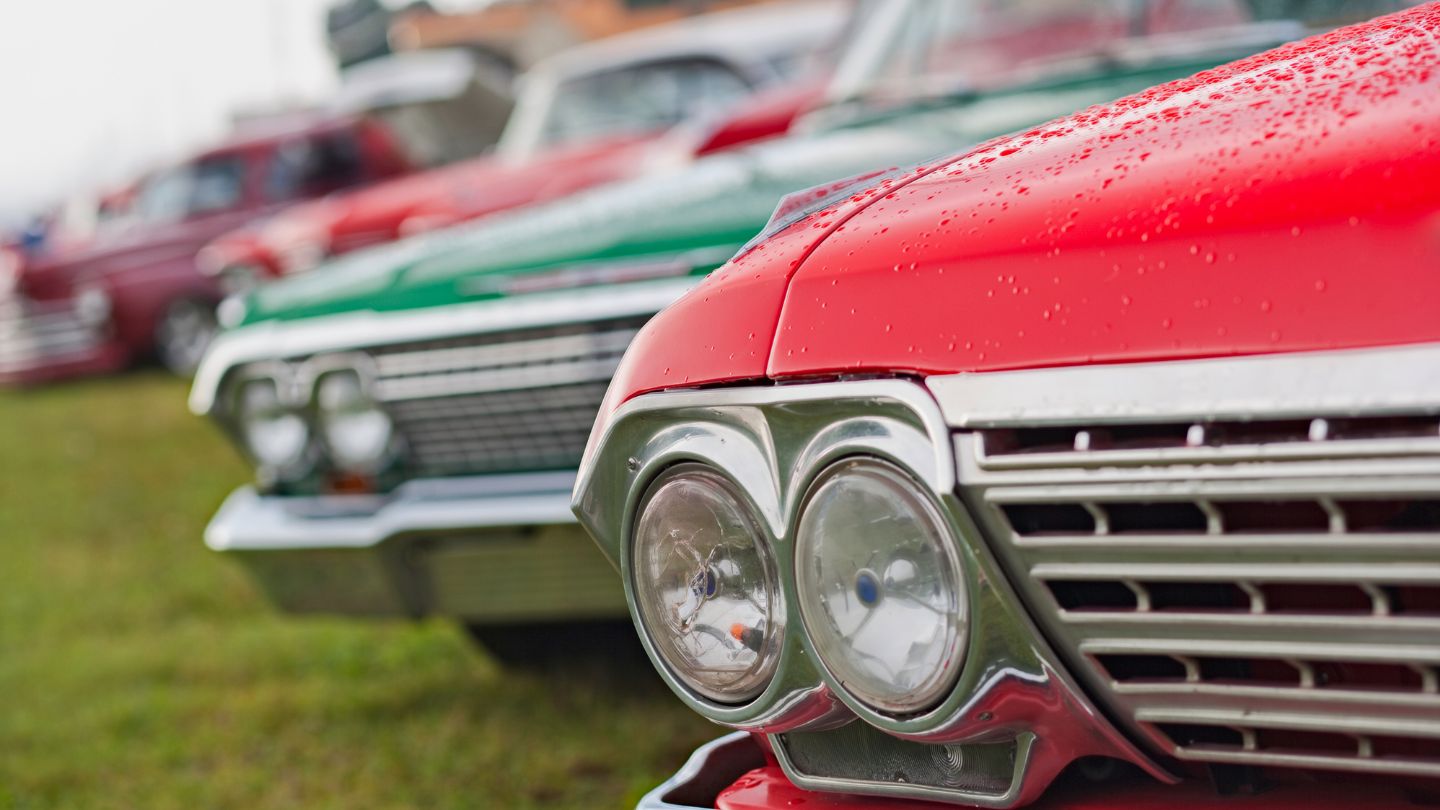
Classic car insurance can offer coverage options that are not typically available with regular car insurance. A significant difference is the availability of agreed value coverage. This type of coverage allows the policyholder and the insurer to agree on the value of the vehicle at the time the classic car insurance policy is written, ensuring that in the event of a total loss, the owner receives the full agreed value without depreciation. Additionally, this car insurance policy provides peace of mind for classic car owners, and it is important to consider an auto insurance policy that meets your needs.
Another unique feature of classic car insurance is spare parts coverage. This coverage provides financial protection for the replacement of rare and valuable parts that are essential for maintaining the vehicle’s originality and functionality. Many policies offer $500 spare parts coverage, which can be crucial for classic car owners who need to replace components that are no longer in production. Additionally, restoration coverage is available to protect against the costs incurred during the restoration of a classic car, ensuring that owners can preserve their vehicle’s historical value. Classic car insurance covers classic car coverage, which is an important consideration for those who cherish their vehicles.
Specialized insurance providers understand the unique needs of classic car owners and offer tailored advice and services. These services include connecting owners with expert repair shops experienced in specialized repairs for vintage car restoration and providing roadside assistance specifically designed for classic cars, including options from Essentia Insurance Company.
Furthermore, being part of a community of classic car enthusiasts is a key benefit, as it offers access to a network of like-minded individuals and resources.
Eligibility Criteria for Classic Car Insurance
Vehicles must meet specific vehicle eligibility criteria to qualify for classic car insurance. One of the primary requirements is that the car eligible must be at least 25 years old and in good overall condition. This age requirement ensures that the classic car is indeed a classic and not just an older regular vehicle.
Classic car insurance policies also impose strict usage restrictions. These eligible vehicles, including antique cars, collectible cars, and collector vehicles, are generally prohibited from being used as daily drivers and are only allowed to be used for collector car policies such as regular vehicles, special occasions, enthusiast gatherings, exhibits, tours, occasional pleasure driving, and car shows.
These limited vehicle usage guidelines help to maintain the vehicle’s condition and reduce the risk of accidents, contributing to lower insurance premiums.
Additionally, classic cars must be stored in a locked, enclosed facility when not in use. This storage requirement protects the collector vehicle from theft, vandalism, and environmental damage, ensuring the car’s safety.
Drivers seeking classic car insurance typically need to have at least five years of driving experience and a clean driving record to qualify for coverage. In some regions, there may be additional qualifications and requirements that can influence coverage options.
Key Differences in Settlement Values
One of the most significant differences between classic car insurance and regular car insurance is how settlement value is determined. Classic car insurance policies often use an agreed value system, which means:
- The policyholder and the insurer agree on the vehicle’s value at the outset of the policy.
- This agreed value is the maximum payment the insurer will pay in the event of a total loss.
- It ensures that the owner receives fair compensation without depreciation.
In contrast, regular car insurance typically uses Actual Cash Value (ACV) to determine settlement amounts. When exploring essential questions to ask when buying auto insurance, understanding how settlement value is determined is crucial, as it can significantly impact the compensation you receive in the event of a loss. ACV policies assess the vehicle’s value at the time of the loss, accounting for depreciation and wear and tear. This can result in significantly lower payouts compared to the agreed value system used in classic car insurance.
Another key difference is the appreciation potential of classic cars:
- Unlike regular cars, which depreciate over time, classic cars can increase in value due to restorations and market demand.
- Specialized insurers provide agreed value coverage to ensure that this appreciation is reflected in the payout.
- This coverage offers financial protection that regular car insurance cannot match.
Advantages of Specialized Providers for Classic Cars

Choosing specialized insurance providers for classic cars offers several significant advantages over standard insurance options. These providers offer better coverage options tailored specifically to the needs of classic car owners, ensuring comprehensive protection for these valuable vehicles.
Specialized insurers also provide expert advice and resources to help classic car owners find the most suitable coverage for their needs. They often have guides and tools to connect owners with local repair shops experienced in classic car restoration and maintenance. This expertise ensures that classic cars receive the best possible care and protection.
Additionally, specialized insurance providers offer benefits that standard insurance cannot match, such as roadside assistance tailored for classic cars and access to a community of enthusiasts. These advantages make specialized insurance the preferred choice for many classic car owners, offering peace of mind and superior protection.
Factors Influencing Classic Car Insurance Rates
Several factors influence the rates of classic car insurance, with the vehicle’s value being one of the most significant. Classic cars that are rare or have a high market value typically have higher insurance premiums due to the increased cost of repairs and replacement parts.
The driver’s history and behavior play a crucial role in determining insurance rates. Insurers consider:
- Past claims and driving records to assess the risk profile of the driver.
- A clean driving record and no history of claims, which can result in lower premiums.
- The age and driving experience of all drivers listed on the policy, with more experienced drivers generally enjoying lower rates.
In summary, the value and rarity of the classic car, along with the driver’s history and behavior, are key factors that influence the cost of classic car insurance. Understanding these factors can help car owners make informed decisions about their insurance needs.
City & State Specifics for Classic Car Insurance
The location of the driver significantly impacts the cost of classic car insurance premiums. Drivers in urban areas may face higher insurance costs due to increased risks such as higher traffic density and higher rates of theft and vandalism. In contrast, those in rural areas may benefit from lower insurance rates due to reduced risks.
Certain states may also offer more favorable coverage options for classic car insurance, making it essential for classic car owners to compare local providers. These regional differences can influence the availability and cost of coverage, highlighting the importance of choosing the right insurance provider based on location.
Read more: The Primary Types Of Car Insurance Coverage To Know About.
Final Thoughts on Choosing the Right Insurance
Understanding the distinctions between classic and regular car insurance is essential for making informed decisions. Classic car insurance often offers specialized coverage and favorable terms for owners of vintage vehicles, while regular car insurance is designed to meet the needs of everyday drivers. By evaluating your vehicle’s purpose, value, and usage, you can determine which option aligns best with your needs and budget.
At Focus Insurance Group, we’re here to simplify your insurance choices. Our team works closely with you to ensure you find the right coverage, whether you’re an enthusiast protecting a collector’s item or someone seeking reliable car insurance in Brookhaven, GA. Reach out to us to explore tailored insurance solutions that combine affordability with comprehensive protection. Whether you need motorcycle insurance, commercial auto insurance, motor truck cargo insurance, or dump truck insurance, we can help you secure the best policy for your needs. Contact us today!
Frequently Asked Questions
Why is classic car insurance often cheaper than regular car insurance?
Classic car insurance is often cheaper due to lower usage and better maintenance of classic vehicles, which results in a reduced risk profile compared to regular cars. This leads to lower premiums for classic car owners.
What unique coverage options are available with classic car insurance?
Classic car insurance provides unique coverage options like agreed value coverage, spare parts coverage, restoration coverage, and specialized roadside assistance, ensuring comprehensive protection for your vehicle.
What are the eligibility criteria for classic car insurance?
To qualify for classic car insurance, your vehicle generally needs to be at least 25 years old, in good condition, and stored securely, while not being used for daily driving. Additionally, drivers should have a clean driving record and a minimum of five years of driving experience.
How do settlement values differ between classic car insurance and regular car insurance?
Settlement values in classic car insurance are based on an agreed value that remains stable, while regular car insurance relies on Actual Cash Value, taking into account depreciation. This distinction means classic car owners often receive a more favorable settlement reflecting their vehicle’s true worth.
How does location affect classic car insurance premiums?
Location affects classic car insurance premiums primarily due to risk factors. Urban areas tend to have higher rates because of increased theft and accident risks, while rural areas generally enjoy lower premiums. Certain states may also provide more advantageous coverage options, influencing overall costs.