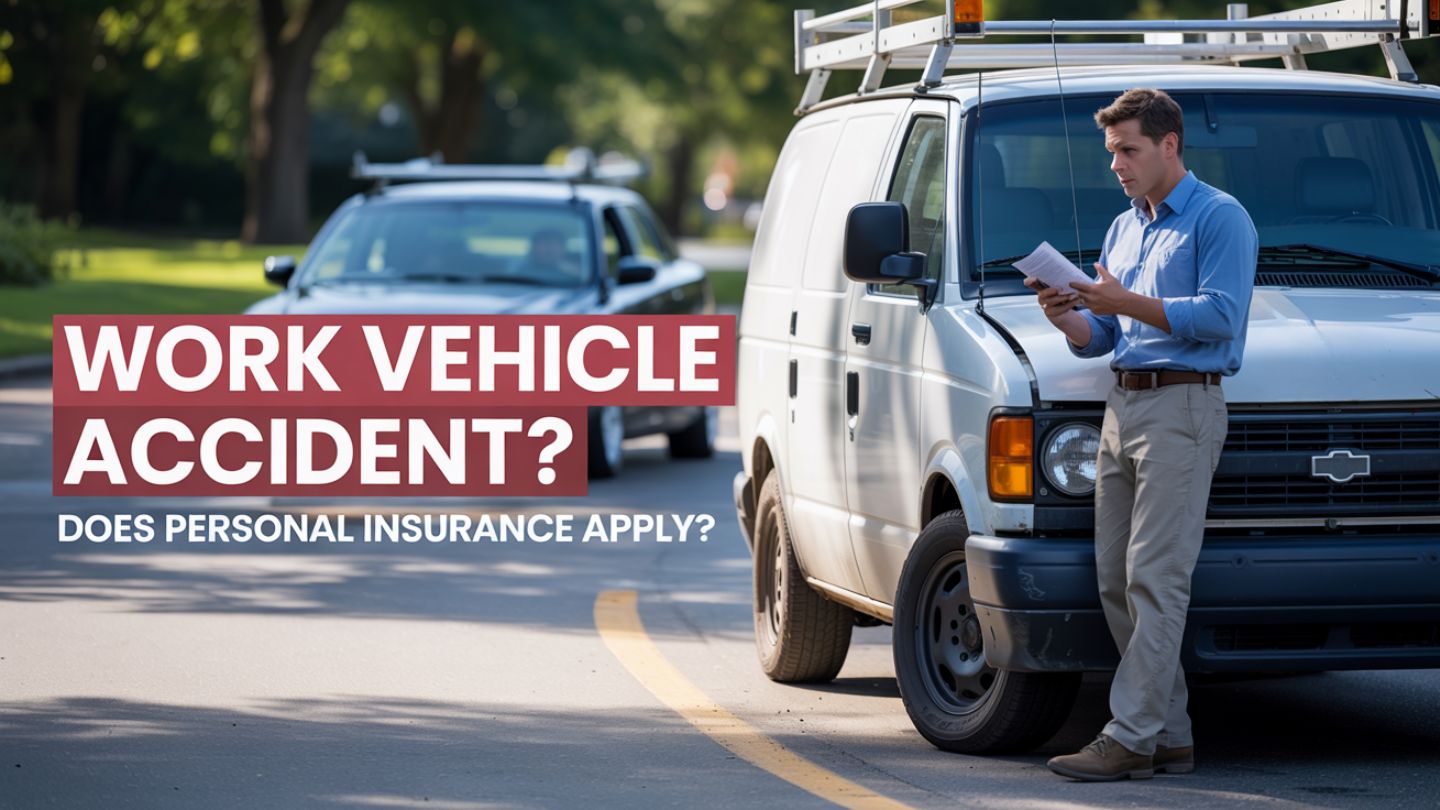
Does an accident in a work vehicle affect personal insurance? If you drive a company vehicle, this is a crucial question. In this blog, we’ll explore how such accidents can impact your personal auto insurance. You’ll learn about the roles of commercial insurance and when personal coverage might come into play.
Key Takeaways
- Accidents in work vehicles are primarily covered by the employer’s commercial auto insurance, which varies in terms and conditions; understanding this is crucial to avoid unforeseen liabilities.
- Personal auto insurance can be affected by work vehicle accidents, with potential increases in premiums or liability coverages required if the employer’s insurance is insufficient.
- Adhering to employer policies regarding vehicle use is essential to maintain insurance coverage and avoid complications or liabilities in the event of an accident.
Understanding the Basics of Work Vehicle Accidents
Vehicles used for work purposes, such as company-owned cars, vans, and trucks, are usually operated for job-related tasks. When accidents occur with these work vehicles, they bring up several issues concerning who is liable and the extent of insurance protection in place. In most cases, an individual’s personal auto insurance does not come into play when dealing with incidents involving a vehicle owned by their employer because this is typically handled by the employer’s commercial insurance coverage. It’s critical to be aware of each policy’s specific provisions so that you are not caught off guard.
If you’re involved in an accident while driving a vehicle provided by your workplace, it can potentially have repercussions on your own personal auto insurance rates based on various factors, including how coverages overlap. For example, if information about the accident becomes part of your driving history, it could possibly result in higher premiums for your private car insurance policy. Being versed in these fundamental aspects helps prepare you to proficiently manage through the complexities associated with different types of motor vehicle policies and their respective claims procedures.
How Commercial Auto Insurance Works
Commercial auto insurance is designed for vehicles that are operated in the context of business operations. This coverage caters to incidents such as accidents, theft, and other risks linked to driving business-owned vehicles. The range of automobiles eligible for protection under a commercial car insurance policy includes various models from delivery vans and semi-trucks to standard passenger cars. When an accident involves work-related vehicles, it’s typically the employer’s commercial insurance policy that takes on the responsibility.
As we explore what exactly is encompassed by a commercial auto insurance plan, understanding when this type of coverage comes into play becomes crucial. It helps distinguish between personal auto insurance usage and commercial vehicle circumstances, especially pertinent if there’s an incident while you’re behind the wheel of a company car.
What Is Covered Under Commercial Auto Insurance?
Commercial auto insurance offers a safeguard against liability, damage to property, and various specialized risks. This type of insurance encompasses protection against bodily injury liability as well as damages to property, extending comprehensive coverage for vehicles. The purpose of such extensive coverage is to shield both the driver and their vehicle from numerous potential mishaps that range in severity from trivial scrapes to significant accidents. When considering vehicle insurance, it’s essential to understand what exclusions are in insurance for vehicles, as these outline the specific situations or damages not covered under your policy.
A wide array of vehicles falls under the umbrella of commercial auto insurance, which includes not only passenger automobiles but also vans, SUVs, and trucks. Nevertheless, it’s worth noting that certain hazards may fall outside the purview of standard policies. Consequently, employers might need to integrate additional protections like comprehensive or uninsured motorist coverage into their policy suite. It is crucial for both employers and employees alike to be fully cognizant of their specific policy details so they can confirm sufficient risk mitigation measures are in place.
When Commercial Auto Insurance Applies
Commercial auto insurance is crucial when utilizing a vehicle for business-related activities. This type of insurance serves as the main form of protection in events where company cars are involved in accidents during work tasks. Confusion may arise between commercial and personal auto policies, particularly if there’s ambiguity around whether an incident occurred within the scope of professional duties or personal errands. For instance, should a mishap transpire while using a company-owned vehicle for private purposes, both the corporate commercial policy and the individual’s personal insurance might come into play.
It falls upon employers to secure proper coverage through commercial insurance for vehicles operated by employees on behalf of the company, such as providing comprehensive coverage for all aspects concerning their usage within job responsibilities. Ensuring these vehicles have adequate protection specifically tailored to accommodate occupational demands throughout employment hours also encompasses educating staff regarding their respective coverages and firmly delineating which uses pertain to business versus those that are considered personnel.
Recognizing when it is appropriate to apply commercial auto insurance can significantly streamline interactions with insurers and preempt potential complications related to filing claims, benefiting both employer entities and working individuals alike by clarifying obligations within this realm of insurance engagement.
Situations Where Personal Auto Insurance Might Be Affected

If you’re involved in an accident while driving a work vehicle, it could have financial consequences for you. Should the incident be reflected on your driving record, there’s a possibility that your premiums for personal auto insurance may rise as a result. In instances where an employer doesn’t bear liability, your own personal auto insurance might cover damages from the accident, depending on particular circumstances. These events can lead to unforeseen expenses paid out of pocket and higher costs associated with maintaining your personal auto insurance.
We will delve into specific examples when one’s individual insurance coverage could become relevant. Being aware of these situations is crucial as it enables you to safeguard yourself against potential negative effects on your personal insurance policy in such cases.
Employer’s Insurance Doesn’t Fully Cover Damages
Should the limits of commercial auto insurance be exceeded, it is the responsibility of the employee to leverage their personal insurance to address any remaining damages. Such a circumstance may emerge if an accident results in extensive property damage or bodily injury that goes beyond what the employer’s commercial auto insurance policy covers.
Utilization of personal auto insurance for accidents related to work could lead individuals to incur significant costs from their own pockets, mainly due to coverage exclusions. Understanding both your employer’s and your own personal coverage limitations can aid in preventing unexpected financial burdens.
It is essential for employees who frequently operate a company vehicle for business tasks, including driving other drivers around, to remain informed about these issues.
Unauthorized Use of Company Vehicles
Employing a work vehicle for individual needs could lead to dire consequences at your job, potentially even resulting in dismissal. If you engage in the unsanctioned use of a work vehicle and an accident occurs, you may find yourself personally accountable if the employer’s insurance policy declines to provide coverage. In such cases where personal errands are run with a company car and an incident ensues, it is possible that you will have to turn to your own personal auto insurance rather than depend on the business’s commercial insurance.
To reduce these risks, one might consider extending their personal auto insurance with additional coverage specifically aimed at covering the private utilization of employer-provided vehicles. This supplementary protection can offer some reassurance against financial liability due to accidents arising from non-permitted use. Nevertheless, adhering strictly to workplace regulations regarding company-owned vehicles usage exclusively for professional objectives is advisable as this practice significantly lessens any chance of encountering said legal troubles.
The responsibility that comes along with operating a corporate automobile entails being fully cognizant of—and conforming scrupulously with—the policies set by one’s employer. By doing so, individuals protect themselves against potential lawsuits and economic setbacks following incidents involving enterprise automobiles used during employment activities.
Reporting and Filing Claims After a Work Vehicle Accident
In the event of an accident involving a work vehicle, it is imperative to inform your employer without delay. It’s equally important to report the incident swiftly both to your employer and the insurance company responsible for handling claims. Doing so promptly guarantees that all vital measures are taken to properly record the occurrence and kick-start the process of filing a claim.
Subsequent sections will delve into why recording details about the vehicle accident and alerting those concerned is critical. Such actions play a pivotal role in facilitating an efficient claims procedure and can considerably influence how successfully your claim is resolved.
Documenting the Accident
Gathering comprehensive evidence immediately following an accident is critical to support insurance claims. This typically involves photographing the damage, compiling witness testimony, recording any injuries sustained by individuals involved, and capturing additional pertinent information. Accurate and thorough documentation plays a vital role in facilitating a successful insurance claim and can greatly influence the outcome of the claims procedure.
Meticulous record-keeping at the time of the incident offers a precise depiction of events that bolsters your position during an insurance claim while helping to preempt potential disagreements. Such proof becomes indispensable when engaging with insurance entities as you manage through various aspects of filing claims.
Notifying Relevant Parties
When work vehicles are involved in accidents, it typically falls upon employers to undertake the task of filing insurance claims. Employees must promptly convey all relevant information concerning the accident to their employer. Ensuring this prompt communication allows employers to swiftly contact their insurance provider and begin the claims process without unnecessary postponements.
You should also make sure to quickly alert your own insurance provider about the incident. Quick notification is crucial for facilitating the efficient processing of claims, as well as guaranteeing that everyone involved in the accident is informed and can respond accordingly.
Legal and Financial Implications
Accidents involving work vehicles can result in serious legal and financial repercussions. If you are found to have been negligent or misused the vehicle provided by your company, personal liability may be imposed upon you for any resulting damages. Poor management of insurance claims can also contribute to significant economic strain and complicate matters within legal frameworks. Hence, a thorough comprehension of your company’s insurance coverage is vital in reducing these risks when accidents related to business use occur.
In subsequent segments, we will delve into how responsibility is assigned following accidents with work vehicles and examine the potential expenses that individuals might incur out of pocket. These insights aim to equip you with knowledge on effectively navigating the complex terrain of legal issues and financial obligations associated with work vehicle incidents.
Liability Determination
When an accident involves a work vehicle, establishing who is at fault depends on whether the vehicle was being used for business or personal reasons. The driver deemed responsible must bear the costs of any damage resulting from the incident. Should an employee be found liable, they are required to submit a claim through their own personal car insurance, which could potentially raise their premiums due to heightened risk perception.
Conversely, if you are determined not to be at fault in such an incident, it’s likely that your insurance rates will not be affected. The degree of potential rate increases hinges on various elements, like who is at fault and how severe the accident was. To mitigate against possible premium hikes after accidents where one isn’t at fault, having accident forgiveness coverage as part of your insurance can prove beneficial in avoiding increased charges.
Potential Out-of-Pocket Costs
If an accident occurs involving a work vehicle and personal insurance is used to address the damages or injuries incurred, there might be considerable out-of-pocket expenses. Such costs could encompass legal fees, the cost of repairing the vehicle, and charges for renting a car while your own is unavailable. The financial impact can become substantial without commercial auto insurance to fully cover these damages.
It’s crucial for individuals operating work vehicles to recognize these potential financial implications. Knowledge of such risks allows you to take measures that ensure sufficient protection against unforeseen expenses that may arise from accidents on duty, safeguarding your financial well-being from significant monetary strains related to repairs and other associated costs.
Protecting Your Personal Insurance Policy
Ensuring that your personal insurance policy is safeguarded from the ramifications of an accident involving a work vehicle requires implementing certain measures. Your personal auto insurance excludes coverage for events tied to business use unless it is explicitly covered within the terms of your policy. As such, it’s vital to continually assess and modify your personal auto insurance coverage to maintain its comprehensiveness when you’re operating a work vehicle. Seeking advice from an insurance broker can be beneficial in understanding how an accident with a work vehicle could affect your own personal insurance.
We will delve into why it’s essential to conform to employer-imposed policies regarding vehicles and secure sufficient insurance coverage in subsequent sections. By taking these steps, you can protect your individual car-insurance plan and experience greater confidence while behind the wheel of a company-provided automobile.
Adhering to Employer Policies
Adhering to your employer’s guidelines is crucial because ignoring them can result in difficulties when dealing with insurance claims and coverage if a work-related incident occurs. Not following the prescribed policies for vehicle use might cause your insurance claims to be rejected, thereby elevating your liability risk. Comprehending and sticking to these rules is key to averting potential issues with your insurance.
Complying with the vehicle usage policies set by your employer acts as a shield against heightened liability while guaranteeing that you are covered in case of an accident. Such compliance safeguards not only protect your personal insurance policy but also preserve a positive relationship with your employer.
Ensuring Adequate Coverage
To guarantee sufficient insurance protection, it’s crucial to incorporate coverage for damages inflicted on others and personal injuries into your vehicle insurance plans. The compulsory portion usually encompasses coverage against uninsured drivers, while collision and comprehensive coverages are elective add-ons. Scrutinizing both individual and business policies is key to avoiding any lapses in protection, especially when it pertains to activities conducted for business purposes.
For an enhanced level of security, businesses have the option to secure additional protections such as compensation for rental car expenses or roadside assistance services. By confirming that your insurance extends adequate coverage and remains current with a holistic approach, you can shield yourself from possible monetary obligations and ensure full protection in the unfortunate instance of a vehicular accident.
Wrapping It All Up
Accidents involving work vehicles can bring about confusion, especially when it comes to understanding how they impact your personal insurance. The key takeaway is that in most cases, your employer’s commercial insurance policy should handle any claims. However, it’s essential to know your personal insurance coverage and how it might interact in unique situations. Staying informed empowers you to handle accidents confidently and protect yourself from unexpected liabilities.
At Focus Insurance Group, we’re committed to helping you make sense of your coverage options in ways that suit your needs. Whether you’re navigating work-related incidents or simply seeking peace of mind, our personalized solutions for personal insurance in Atlanta, GA, ensure you’re well-protected. Explore how we can assist you today by reviewing your policies and finding tailored coverage that provides you with the security you deserve. Protect your future with us!
Frequently Asked Questions
What should I do immediately after an accident occurs in a work vehicle?
After an accident in a work vehicle, notify your employer and insurance company immediately, document the scene with photographs and witness statements, and ensure all relevant parties are informed to facilitate the claims process.
How can an accident in a work vehicle impact my personal auto insurance?
An accident in a work vehicle can raise your personal auto insurance premiums if it affects your driving record. Additionally, if your employer’s coverage is inadequate or the vehicle use was unauthorized, your personal insurance may need to address any resulting damages.
What types of coverage does commercial auto insurance provide?
Commercial auto insurance commonly includes coverage for liability, protection against property damage, and comprehensive plans that cover vehicles in the event of bodily injury and particular risks. It is designed to protect businesses from diverse financial liabilities associated with the use of their vehicles.
What are the potential out-of-pocket costs if my personal insurance is involved in a work vehicle accident?
If your personal insurance is involved in a work vehicle accident, you may face out-of-pocket costs such as legal fees, repair expenses, and car rental charges.
It’s essential to be aware of these potential expenses to prevent unexpected financial strain.
How can I protect my personal insurance policy when driving a work vehicle?
To protect your personal insurance policy when driving a work vehicle, regularly review and adjust your coverage, adhere to your employer’s policies, and consider adding accident forgiveness for extra security.
Taking these steps will help you mitigate potential negative impacts on your personal insurance.