Atlanta salon owners operate in a fast-paced, service-driven industry where even small mistakes can lead to significant financial and legal consequences. From chemical treatments to advanced beauty procedures, the risks associated with everyday services go far beyond simple accidents. While many salon owners rely on general liability insurance, it often fails to cover the most common claims tied directly to professional services. Understanding the difference between general and professional liability coverage is essential for protecting your business, reputation, and long-term success. This blog explores the critical gaps in coverage and why comprehensive insurance is vital for salon owners in Atlanta.
Key Takeaways
- Professional liability insurance covers service-related errors, negligence claims, and treatment mistakes that general liability insurance explicitly excludes
- Atlanta salons face unique risks from chemical treatments affected by high humidity and local water quality issues
- General liability coverage only responds to premises-based accidents like slip-and-falls, not professional mistakes during services
- Professional liability protects against client claims of negligence, poor results, allergic reactions, and chemical damage
- Both coverages work together as complementary parts of a complete salon insurance policy
Understanding the Coverage Gap Between General and Professional Liability
The difference between general liability insurance and professional liability insurance isn’t subtle; it’s a fundamental distinction that determines whether your beauty salon insurance policy actually pays when you need it most.
General liability insurance for salons covers physical injuries or property damage that occur on your premises or result from your general business operations. Think of it as protection against accidents and mishaps unrelated to the actual services you provide. If a customer slips on a wet floor, if a heavy mirror falls and injures someone, or if hair dye spills and ruins a client’s designer handbag, general liability responds.
Professional liability insurance, sometimes called malpractice insurance or errors and omissions coverage, protects against claims arising from the services you actually perform. When a stylist over-processes hair, causing permanent damage, when a chemical treatment burns a client’s scalp, or when an esthetician’s waxing service causes injury, professional liability coverage kicks in. This insurance covers medical expenses, legal fees, and settlement costs when clients claim your professional services harmed them.
The gap between these coverages creates serious exposure for salon owners who carry only general liability. Your liability insurance protects against different risks depending on which type you have, and beauty salons need both.
What General Liability Covers vs. Excludes
What General Liability Covers:
- Slip-and-fall accidents on salon premises
- Property damage to client belongings (stained clothing, damaged personal items)
- Injuries from falling equipment or furniture
- Advertising injury claims like defamation in certain situations
- Customer injuries from non-service-related incidents
A closer look at what general liability insurance coverage includes can help salon owners better understand where premises-related protection ends and service-related liability begins.
What General Liability Excludes:
- Chemical burns from hair treatments
- Allergic reactions to products applied during services
- Hair breakage or loss from processing errors
- Scalp damage from hot tools or improper technique
- Skin injuries from facial treatments or waxing services
- Any claim arising from professional negligence or service errors
In the Giannotti v. Beleza Hair Salon, Inc. Georgia case, a client suffered severe burns and a bacterial infection after a hair coloring and heating treatment. She developed permanent bald spots and required scar revision surgery. This type of claim, arising directly from how a service was performed, falls squarely outside general liability coverage and requires professional liability insurance.
Atlanta-Specific Risks That Require Professional Liability Coverage

Operating a beauty business in Atlanta creates unique liability exposure that salon owners in other markets may not face. The local climate, water quality, and popular service trends all contribute to heightened professional liability risks.
Atlanta’s high humidity affects how chemical treatments perform. Relaxers, perms, and keratin treatments may react differently in humid conditions, with longer drying times and increased chemical reactivity. A treatment timed perfectly for dry conditions might over-process in Atlanta’s moisture-laden air, leading to client injuries that trigger professional liability claims.
Water quality presents another Atlanta-specific concern. Reports indicate detection of PFAS compounds, elevated chromium-6 in some metro water systems, and disinfection by-products near safety thresholds. When combined with chemical treatments, these water quality factors can exacerbate skin irritation and allergic reactions. Clients experiencing unexpected reactions may file claims against salon owners, and only professional liability insurance protects against these service-related injuries.
The Atlanta market also drives demand for trendy, high-risk services. Chemical peels, advanced color processing, microblading, permanent makeup, and spa treatments that push the boundaries of traditional salon services have become increasingly popular. Medical spas offering injectables and cosmetic procedures adjacent to traditional beauty services create even greater exposure. These services require professional liability insurance with appropriate coverage limits.
Common Professional Claims Atlanta Salons Face
Real cases from Georgia illustrate the types of professional liability claims Atlanta beauty professionals encounter:
- Hair Damage and Chemical Burns: A Georgia man went viral in 2022 after receiving a chemical peel at Diamond Facez Skincare Bar in Atlanta. He claims severe burns and blemishes from the treatment, which he was assured was “normal” during the service. He required medical treatment and intends to sue, a textbook professional liability claim.
- Long-Term Health Claims: Over 600 plaintiffs in Georgia have filed lawsuits since October 2022 claiming that hair relaxers contributed to various cancers due to hormone-disrupting chemicals. While primarily product liability cases, salons that applied these products and made claims about their safety face potential professional liability exposure.
- Allergic Reactions and Sensitivity Issues: Claims involving allergic reactions to hair dye, chemical sensitivities, and unexpected adverse reactions are common. In one case, a 13-year-old suffered second- and third-degree burns from a salon-used dye formula. Salons failing to conduct patch tests or properly warn clients face professional liability claims regardless of whether the product itself was defective.
- Service Negligence: Claims arise when stylists fail to follow manufacturer instructions, mistime chemical processes, use incorrect product combinations, or perform services outside their training. These professional judgment errors generate claims that general liability explicitly excludes.
The Financial Impact of Operating Without Professional Liability
Without professional liability insurance, Atlanta salon owners face devastating out-of-pocket costs when service-related claims arise. The financial consequences extend far beyond immediate legal expenses. Because a serious claim can affect more than just business operations, understanding the different types of personal insurance can also be valuable when considering broader asset protection.
- Direct Claim Costs: Chemical burns requiring medical treatment can generate medical bills in the tens of thousands of dollars. Severe cases requiring skin grafts, scar revision surgery, or treatment for permanent hair loss push costs into six figures. Legal fees for defending even frivolous claims typically start at $10,000-$25,000 and escalate rapidly if cases proceed to trial.
- Settlement and Judgment Costs: Settlement costs for professional negligence claims against salons commonly range from $25,000 to $150,000, depending on injury severity. Judgments in cases involving permanent disfigurement or ongoing medical treatment can exceed $500,000. These amounts far exceed typical general liability limits and fall entirely outside general liability coverage regardless of limits.
- Business Continuity Impact: A single uninsured professional liability claim can force a small business into bankruptcy. Beyond direct costs, salon owners face lost income during litigation, reputational damage that drives clients away, and potential loss of their salon license if claims involve regulatory violations.
Professional liability insurance cost for Atlanta salons averages $46-$50 per month, approximately $550-$600 annually for basic coverage. Compared to potential claim costs, this insurance represents essential business protection, not an optional expense. Salons offering higher-risk services may pay $680-$1,200 annually for adequate coverage limits, but this remains minimal compared to uninsured exposure.
How Professional and General Liability Work Together
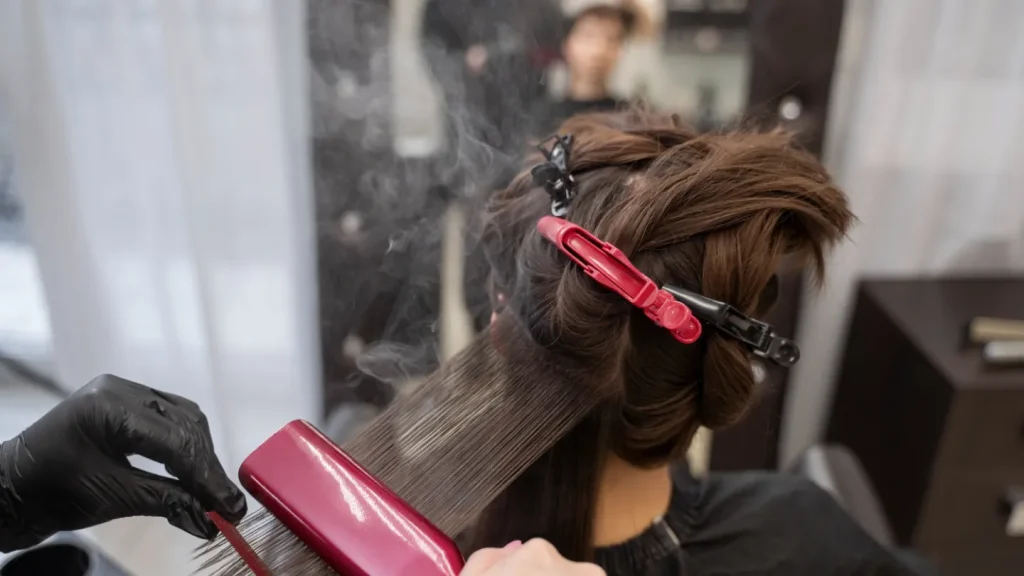
Professional liability and general liability insurance aren’t competing coverages; they’re complementary protections that together create comprehensive coverage for your salon business. Many incidents actually trigger both types of coverage simultaneously.
- Example 1: A client trips on a cord while walking to your styling chair (general liability covers the fall injury) and then experiences an allergic reaction to the hair color applied during their appointment (professional liability covers the reaction). Without both coverages, you’re only half protected.
- Example 2: A heating tool starts a small fire in your salon. Commercial property insurance covers equipment damage, general liability insurance covers any customer injuries from the fire, but if the fire started because a stylist improperly used the equipment while treating a client’s hair, professional liability may also apply to service-related claims.
- Example 3: A booth renter in your salon injures a client during a chemical treatment. Depending on contracts and circumstances, both the independent stylist and the salon owner may face claims. The salon owner’s professional liability insurance protects against vicarious liability claims, while general liability addresses premises-related aspects.
A complete beauty salon business insurance strategy includes both coverages working together, often bundled through a business owner’s policy that can include general liability, commercial property insurance, and professional liability endorsements.
Creating a Complete Insurance Strategy
- Step 1: Assess Your Service Menu List every service your salon offers and identify which carries the highest professional liability risk. Chemical treatments, color services, keratin treatments, chemical peels, waxing, and any services involving heat application require professional liability protection. Salons offering medical spa services or injectables need higher coverage limits.
- Step 2: Evaluate Staff Qualifications. Ensure all employees and independent contractors hold appropriate salon licenses and certifications. The Bozovich case demonstrates that insurance coverage may be denied when claims involve unlicensed practitioners. Document licensing, maintain training records, and verify credentials regularly.
- Step 3: Determine Appropriate Coverage Limits Most Atlanta salon owners choose $1 million per occurrence with $1 million aggregate limits for professional liability. Salons with higher revenue, more employees, or advanced services should consider higher limits. Independent booth renters often select lower limits ($250,000) but accept corresponding risk.
- Step 4: Document Client Interactions. Implement consent forms, patch testing protocols, before-and-after photos, and written service instructions. This documentation provides crucial evidence if professional liability claims arise and demonstrates adherence to industry standards.
Salon owners should also know how often they should assess their insurance needs, especially as services, staffing, and risk exposure evolve over time.
Choosing the Right Professional Liability Policy for Your Atlanta Salon
Selecting professional liability insurance requires understanding policy structures, coverage terms, and factors affecting insurance cost for your specific salon.
- Occurrence vs. Claims-Made Policies: Occurrence-based policies cover any incident that occurs during the policy period, regardless of when the claim is filed. Claims-made policies only cover claims filed while the policy remains active. Occurrence policies provide broader protection but cost more. Claims-made policies require tail coverage if you change carriers or retire, adding complexity and potential gaps.
Key Features to Evaluate:
- Coverage for chemical burns, allergic reactions, and hair damage
- Legal defense costs (whether included in limits or provided in addition to limits)
- Coverage for products used during services
- Exclusions for unlicensed services or regulatory violations
- Coverage for advertising injury and misrepresentation claims
- Medical expenses coverage for immediate client treatment
Coverage Limit Recommendations:
- Solo stylists or low-risk services: $500,000-$1,000,000 per occurrence
- Mid-sized salons with chemical services: $1,000,000 per occurrence / $2,000,000 aggregate
- Salons offering advanced treatments or medical spa services: $2,000,000+ per occurrence
Cost Factors in Atlanta: Professional liability insurance in Atlanta for low-risk salons typically costs $680-$960 annually. Standard-risk salons with chemical services pay $1,200-$1,700 annually. Higher aggregate limits push costs to $1,300-$1,600 or more. General liability adds approximately $420-$840 annually, depending on business size and services. A complete bundle including general liability, professional liability, commercial property, and workers’ compensation typically runs $1,900-$2,500 per year for small to mid-sized Atlanta salons.
Read More: How Often Should You Assess Your Insurance Needs?
Conclusion
General liability insurance alone leaves Atlanta salon owners exposed to the high risks most common in the beauty industry, including service errors, chemical injuries, allergic reactions, and professional negligence. The gap between general and professional liability coverage is not just technical; it directly impacts whether your salon is truly protected when something goes wrong. With Atlanta’s unique environmental factors and growing demand for advanced beauty services, having the right coverage in place is essential to avoid costly claims and ensure long-term business stability.
At Focus Insurance Group, we help salon owners secure comprehensive hair salon insurance in Atlanta that addresses both general and professional liability risks. In addition to salon coverage, we also offer specialized solutions such asbarber shop insurance, along with broader protection options including business insurance, commercial property insurance, personal insurance, andsmall business insurance to support every aspect of your personal and professional coverage needs. Protect your salon with confidence. Contact us today.
Frequently Asked Questions
What’s the difference between general liability and professional liability for salons?
General liability insurance covers accidents and injuries on your premises unrelated to services, slip-and-falls, property damage, and similar incidents. Professional liability insurance covers claims arising from the services you perform, including chemical burns, allergic reactions, hair damage, and professional negligence. Salon owners need both coverages because each protects against different risks your beauty business faces.
How much does professional liability insurance cost for Atlanta salons?
Professional liability insurance for Atlanta salons typically costs $680-$1,200 annually for $1 million per occurrence coverage, depending on services offered and risk profile. Lower-risk salons may pay toward the lower end, while salons offering chemical treatments, advanced procedures, or medical spa services pay more. Many salon owners pay approximately $50-$90 monthly when bundled with other business insurance coverages.
Can I get sued if a client is unhappy with their hairstyle?
Simple dissatisfaction rarely becomes a viable lawsuit, but unhappiness that involves actual damage, hair breakage, color correction costs, scalp injury, or allergic reactions can absolutely generate professional liability claims. If a client can demonstrate negligence, failure to follow proper procedures, or misrepresentation of expected results, they may have grounds for a claim that professional liability insurance would address.